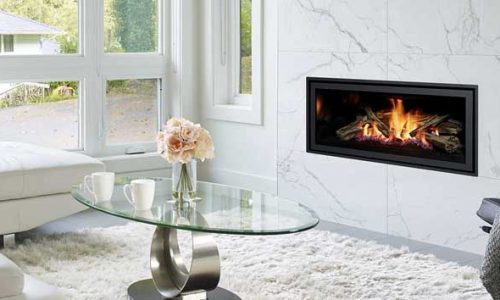

The heater is finally off, the days are getting warmer, and your living room is ready to breathe again. Before you ignore the fireplace until next winter, a proper end-of-season clean will protect finishes, improve indoor air quality, and make the first cold night of next season easier to enjoy.
Let’s walk through the safe ways to deep-clean, remove soot without damage, clean and store gas logs or glass panels correctly, and inspect vents and flues so your system is ready when the temperature drops again.
Why End-Of-Season Cleaning Matters
A thorough clean after your final burn does more than make the room look neat. Soot and ash are mildly corrosive, and they can discolour brick, stone, metal trims, and glass if left for months. Residue can also leave a lingering smell and compromise air quality.
For gas fireplaces, dust and film on logs and burners affect flame pattern and efficiency. Finishing the season with a methodical clean helps protect your fireplace and keeps your next start-up simple and safe.
Safety First: Prep Before You Touch Anything
A little preparation reduces mess and risk. Let your unit cool completely, ideally for 24 hours. Lay down a drop sheet or old towels around the hearth to catch dust and debris. Put on gloves, safety glasses, and a dust mask to avoid irritation from ash or soot.
Switch off power to any fans or controls and shut off the gas supply at the isolation valve if working on a gas appliance. Keep a metal bucket on hand for ash and use only non-sparking tools such as a plastic shovel and soft brushes.
Deep-Clean A Wood Fireplace Without the Mess
Wood fireplaces reward a careful end-of-season clean. Start by removing leftover logs and fire debris. Use a fireplace shovel to scoop ash into a metal bucket. Lightly misting ash with water before you shovel helps keep dust down. Vacuum remaining fines with a vacuum that has a HEPA filter or an ash vacuum. Avoid standard household vacuums that can be damaged by fine ash.
Brush down the firebox walls with a stiff nylon brush. For stubborn soot on firebrick, mix warm water with a small amount of mild detergent or white vinegar and wipe with a sponge. Rinse with clean water and let dry. If you have a cast-iron grate or andirons, scrub with a nylon brush and mild detergent, dry thoroughly, then apply a thin wipe of vegetable oil to discourage rust over the off-season.
Finish by cleaning the surrounding hearth area. Sweep and vacuum under the grate, then clean the hearth tiles or slab with the appropriate cleaner for your surface. Take your time around mortar joints to avoid loosening or gouging.
Removing Soot Stains Without Damaging Finishes
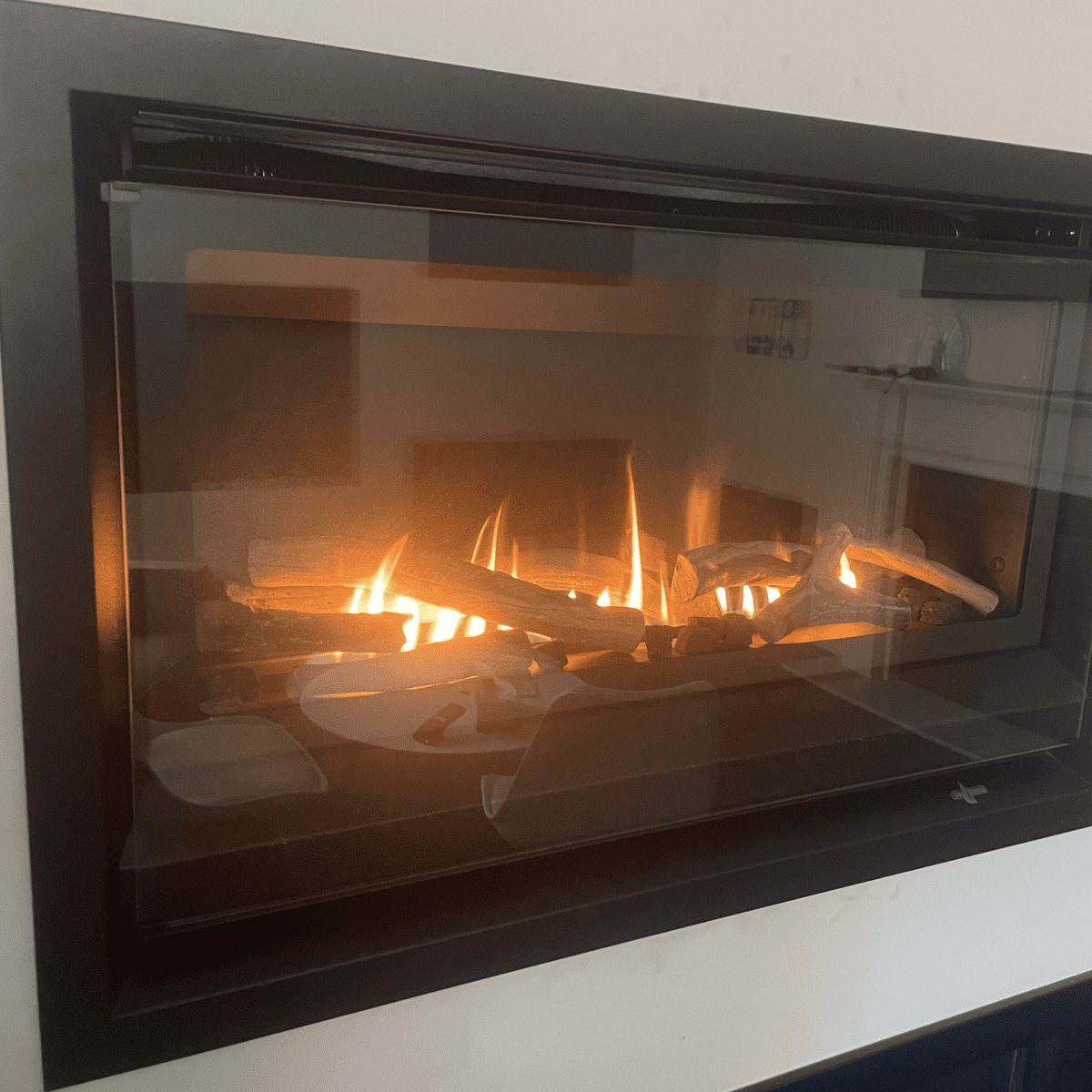
Soot can stain a range of materials, and each surface has its own rules of care. The aim is to lift soot without forcing it deeper or stripping finishes.
- Brick and Firebrick – Dry clean first. Use a dry chemical sponge or a soft nylon brush to lift loose soot. Follow with a mild detergent solution and rinse. Avoid acid cleaners unless specified for masonry, since they can etch surfaces and weaken mortar.
- Natural Stone Such as Marble, Limestone, Or Sandstone – Stone is porous and easily etched. Blot soot with a dry microfibre cloth, then use a stone-safe pH-neutral cleaner. Never use vinegar or abrasive powders on marble or limestone. For persistent stains, a stone poultice product can help, but test on a small area first.
- Metal Surrounds and Trims – Use a soft cloth with mild detergent, then dry completely. If the metal is lacquered or powder-coated, avoid solvents that may dull or lift the finish. For stainless trims, a stainless cleaner can remove fingerprints and light film.
- Timber Mantels and Painted Surfaces – Dust carefully with a dry cloth, then clean with a wood-safe or paint-safe cleaner. Avoid ammonia on painted surfaces and avoid soaking timber. Always wipe dry after cleaning to prevent water marks or swelling.
- Glass Doors and Screens – Soot on glass can be surprisingly stubborn. Start with a dry microfibre cloth, then use a fireplace glass cleaner or a vinegar and water mix. For baked-on haze, dampen a cloth and rub with a small amount of fireplace glass paste cleaner. Do not use razor blades on tempered glass, and avoid abrasive pads that can scratch.
Gas Fireplaces: How To Clean and Store Gas Logs or Glass Panels
Gas models are simpler to maintain than wood, but still need care. Always ensure the gas supply is off and the appliance is cool. Remove the glass front if your unit allows, following the manufacturer’s instructions, and place it on a soft towel.
Carefully lift the artificial logs and note their exact positions. Take a quick photo of the burner and log layout so you can reassemble it correctly. Gently vacuum around the burner, pilot area, and cavity using a brush attachment, taking care not to disturb wiring or orifices. Dust on the burner or pilot can interrupt ignition or cause noisy flames.
Wipe each log with a soft dry brush or microfibre cloth. Do not wash ceramic fibre logs with water or detergents, since they can absorb moisture and become brittle. If your model uses refractory logs that are safe to rinse, follow the instructions from the manufacturer. Allow everything to dry fully before reassembly.
Keep Glass Panels Clear and Safe
Glass fronts can develop a white haze from mineral deposits or a film from combustion by-products. Use only cleaners designed for fireplace glass or the solution recommended by your manufacturer. Remove any seals or gaskets carefully and inspect for cracks or compression.
If a gasket looks flattened or brittle, schedule a replacement before winter. Dry the glass thoroughly and avoid touching the inside surface during reinstallation to keep fingerprints off. Always refit latches or clips securely so the combustion chamber remains sealed.
Inspect Vents and Flues for Blockages or Nesting Animals
Your venting system quietly does essential work. A quick inspection now can prevent dangerous blockages later. Look and listen for signs of bird nests, leaves, or debris around external cowls and caps.
If you hear scratching or see nesting material, avoid lighting any test fires and arrange a professional sweep. From inside, check for loose or damaged baffles, warped components, or flaking in a wood heater’s flue. For gas fireplaces, confirm the flue terminal is clear and the cowl is secure.
If you use a wood heater, consider an annual professional flue clean before the next burning season. Creosote build-up is both a performance issue and a fire risk. A qualified technician can also check for corrosion, cracks, and alignment problems that are easy to miss from ground level.
Refresh The Room Now That Heating Is Off
A fireplace anchors a room, but after months of use it can leave a subtle odour and fine dust. Take the chance to reset the space. Launder throws and cushion covers. Wash or vacuum curtains and blinds, paying attention to the fabric nearest the hearth where soot settles.
If you have a ceiling fan, reverse it back to summer mode and wipe the blades. Vacuum soft furnishings and the rug thoroughly. Finish with a light clean of surrounding joinery, skirting boards, and nearby shelving to lift residual dust.
Add a seasonal touch to the hearth. A clean timber tray with candles, a stack of books, a pot plant, or a neat basket can make the fireplace look purposeful in summer without pretending it is still in use.
When To Call a Professional

There is plenty you can handle yourself, but certain tasks should be left to licensed technicians. Gas supply work, burner servicing, control calibration, and gasket replacement are best done by professionals.
If you suspect a flue issue or you have heavy creosote glazing, bring in a trained sweep rather than scraping at it yourself. Booking a service during the warm months is often easier and avoids the early winter rush.
Final Word
End-of-season fireplace care does not need to be complicated. With sensible safety steps, surface-appropriate cleaners, and the right sequence, you can protect finishes, keep glass and metal looking sharp, and maintain safe airflow through vents and flues.