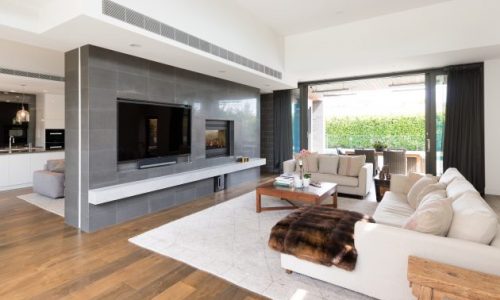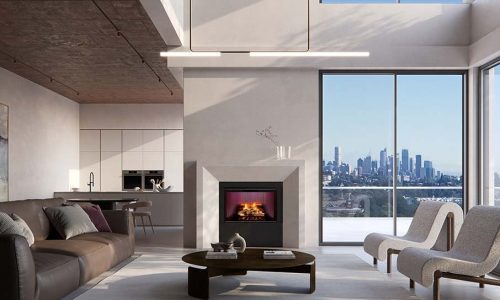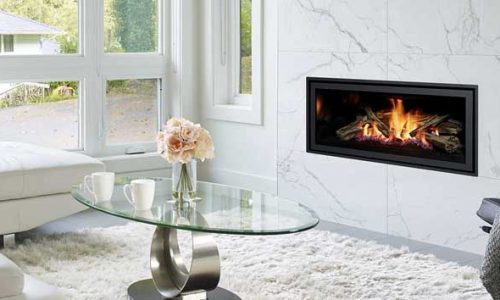

A fireplace can be a practical heat source, a visual anchor, or both. The tricky part is matching it to how your home actually behaves in winter, not how a showroom makes it feel. Room size matters, but it is only one piece. Ceiling height, insulation, airflow, and whether you want “whole area” warmth or a cosy zone all change what will work.
If you get the basics right up front when buying a fireplace, you avoid the two classic regrets: an underpowered unit that never quite takes the chill off, or an oversized heater that runs too hot, too often, and costs more to install and run than it needed to.
Start with the Room, Not the Feature List
Before you compare finishes, flames, or smart controls, lock in the role the fireplace needs to play. A unit chosen for the wrong job will feel disappointing even if it is high-end.
Think through what “success” looks like on a typical winter night. Do you want to heat one living room with the door closed, take the edge off an open-plan space, or heat multiple areas by leaving doors open and using ceiling fans?
If you are not sure yet, these prompts help pin it down:
- Is the room open-plan, semi-open, or closable with doors?
- Are the ceilings standard height or vaulted?
- Do you have large glass areas that get cold at night?
- Will the fireplace run daily, weekends only, or just for ambience?
- Do you want fast heat (quick warm-up), steady heat (long burn), or mainly visual flame?
Those answers steer everything that comes next, including the best fuel type and the likely total cost.
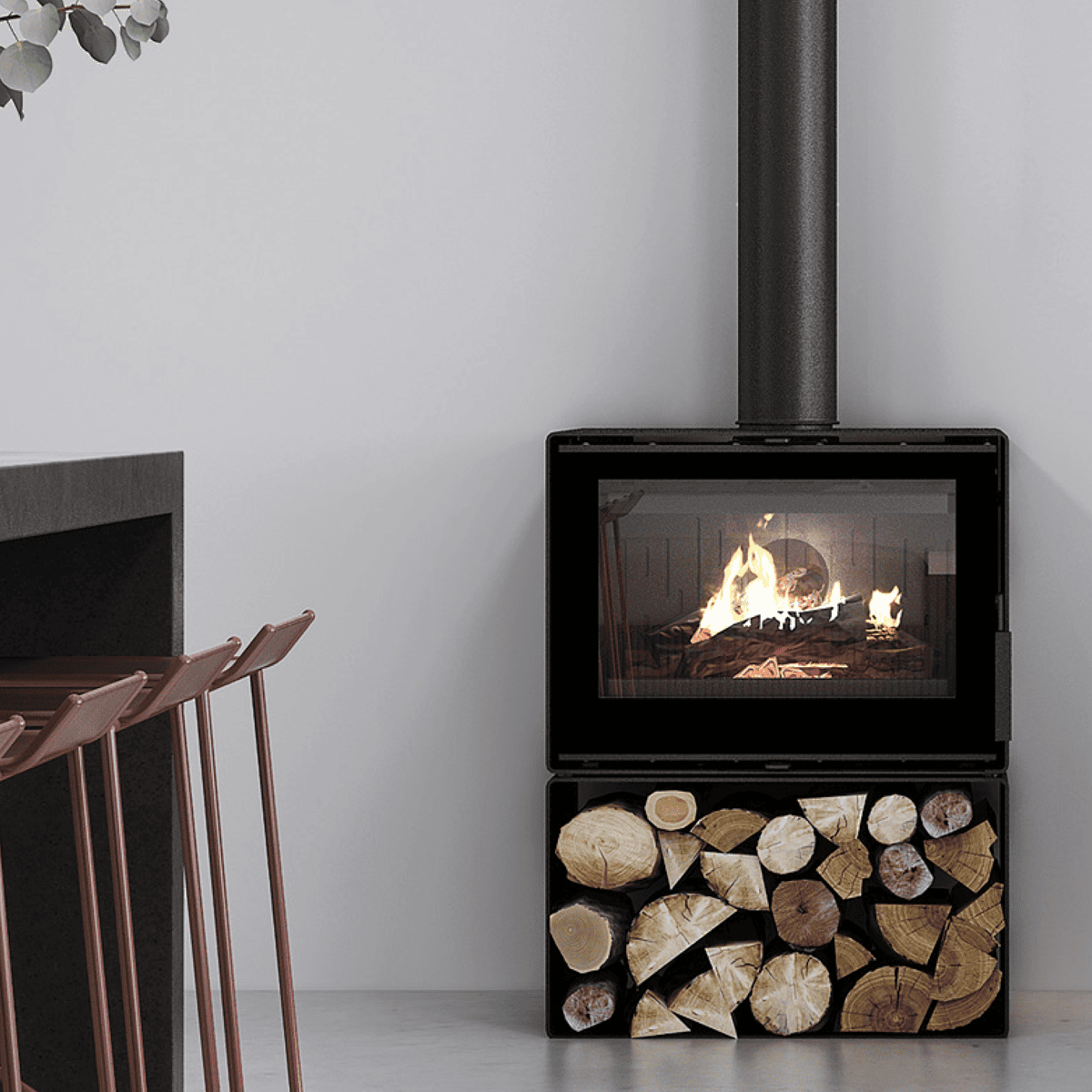
Room Size, Heat Output, and Why “Bigger” Can Backfire
Heat output is often listed as kilowatts (kW) for gas and electric, and as an output range for wood. It is tempting to simply match a larger number to a larger room, but oversizing can be a real problem.
An oversized unit may:
- Overheat the space and force you to turn it down constantly
- Run inefficiently at low settings
- Burn dirtier (for wood, if it is frequently smouldering)
- Cost more upfront, and increase flue or ventilation requirements
Undersizing is more obvious: it runs flat out, still feels lukewarm, and becomes expensive because it never gets a break.
A more useful approach is to treat the “room size” claim as a starting point, then adjust based on the home.
Adjust for Real-World Conditions
A room of the same floor area can need very different heating depending on the basics. You can mentally “scale” the room size up or down based on these factors:
- High ceilings: treat it like a bigger room because you are heating more air volume.
- Older, draughty homes: treat it like a bigger room, especially with timber floors and gaps.
- Lots of glass: treat it like a bigger room, unless you have quality double glazing and good window coverings.
- Well-insulated, well-sealed homes: you can often size closer to the lower end of the recommended range.
- Open-plan layouts: size for the area that actually needs comfort, not the entire footprint, unless you genuinely want whole-space heating.
If your goal is “comfortable where we sit”, you might size for the lounge zone and use airflow management to share warmth rather than trying to heat every corner.
Pick the Fuel Type That Matches Your Lifestyle
Fuel choice is where comfort, running cost, convenience, and installation complexity collide. The best option is the one you will actually use, safely and consistently.
Wood Fireplaces
Wood offers strong radiant and ambient heat, and it suits people who like a more hands-on routine. The ongoing cost can be reasonable if you have good access to seasoned firewood, but the setup and maintenance are not trivial.
Key realities to account for:
- You need storage space for dry wood
- You need regular cleaning and ash management
- You need a suitable flue and compliant installation
- You need to be comfortable lighting, tending, and shutting down properly
Wood is often chosen for “serious heating”, especially in living areas where the warmth can be enjoyed for hours.
Gas Fireplaces
Gas tends to win on convenience. You get controllable heat quickly, flame for ambience, and simpler day-to-day operation. Installation can be straightforward or complex depending on whether you have an existing gas connection and where the unit will be located.
Gas suits:
- Busy households that want heat on demand
- Homes where wood storage is not practical
- People who want consistent warmth without fuss
Running costs depend on the tariff, how often you use it, and whether you are heating efficiently or trying to push heat through an open-plan space with high ceilings.
Electric Fireplaces
Electric is often the most accessible option for many homes, especially units designed for feature walls or apartments where flues are not possible. The “flame” is visual, and the heat is usually best treated as zone heating rather than whole-home heating.
Electric can be a smart choice if:
- You want minimal installation work
- You are prioritising visual impact and occasional warmth
- You need predictable costs and low maintenance
Do not assume electric will be cheap to run if you plan to heat a large area for long hours, but it can be cost-effective for short bursts in a smaller zone.
Ethanol and Other Decorative Options
Some decorative fireplaces focus more on flame effect than on meaningful heating. They can look great, but they are not always the right answer if your main goal is winter comfort.
If you are considering one of these, treat it like a design feature first, and be honest about whether you are expecting it to replace a heater.
Installation Costs Can Outweigh the Fireplace Price
A common budget trap is focusing on the appliance price and underestimating the install. When buying a fireplace, the “all up” cost often matters more than the sticker price.
Installation complexity varies by fuel type and by the home’s layout. Two homes can buy the same unit and end up with very different total bills.
What Typically Pushes Costs Up
A fireplace becomes more expensive to install when you add constraints like these:
- No existing flue, or a flue path that is hard to route
- Double-storey rooflines, tricky roof access, or tight clearances
- Compliance requirements that demand extra shielding or ventilation
- Switching fuel types (for example, moving to gas without an existing supply)
- Custom cabinetry or a feature wall build-out
- Relocating power, gas lines, or structural framing
A practical rule is to shortlist units you love, then sanity-check whether your home can accept them without major building work.
Choose a Format That Suits the Space
The “shape” of the fireplace affects how heat moves and how the room feels.
Freestanding vs Insert
Freestanding heaters often throw heat well and can be effective for larger zones, while inserts can look tidy and suit renovations where a cavity already exists.
The right choice depends on whether you want:
- Maximum heat performance and strong radiant warmth (often freestanding)
- A built-in look with a cleaner footprint (often insert)
Single-Sided vs Double-Sided vs Corner Designs
Multi-sided designs can look impressive, but they also change how you furnish the room and how heat is directed. A double-sided unit might divide a space nicely, but you may lose a full wall for seating or storage.
Before committing, map out furniture placement and walking paths. A beautiful fireplace that forces awkward seating will get old quickly.
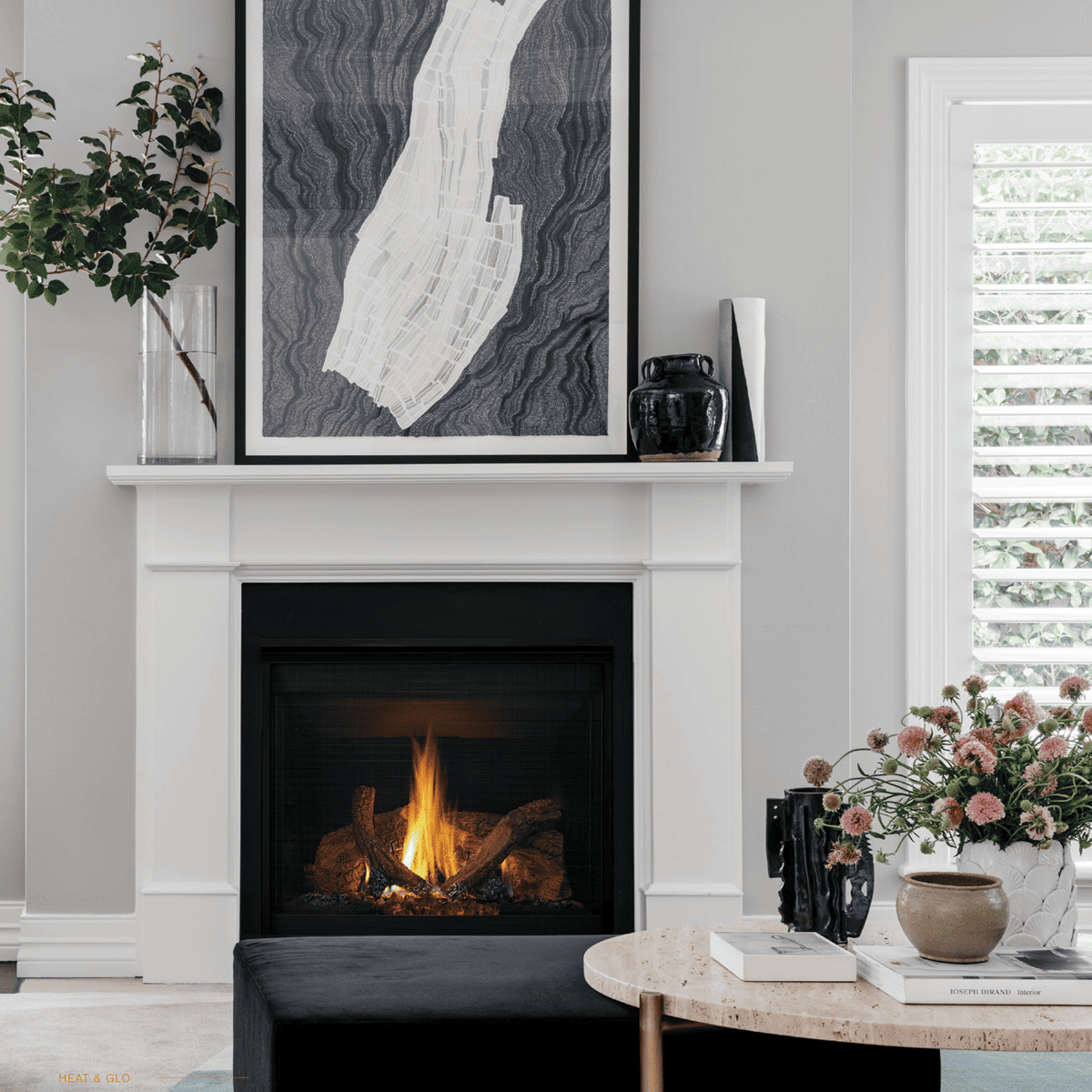
Common Sizing Mistakes to Avoid
Most sizing regrets come from one of three assumptions: the room is smaller than it behaves, the fireplace will heat through open spaces effortlessly, or the listed coverage number is universally reliable.
Here are the mistakes that show up most often:
- Choosing based on floor area alone and ignoring ceiling height
- Assuming open-plan areas can be heated evenly from one corner
- Oversizing because “we can always turn it down”
- Undersizing because “we only need a little heat” (then using it constantly)
- Planning a feature wall first and checking compliance later
- Forgetting that placement affects how heat circulates
A fireplace is not just a box of heat. It is part of the room’s airflow, layout, and daily habits.
Key Takeaways
A fireplace that fits your space and wallet is rarely the one that looks best in isolation. It is the one that matches the room’s real heat needs, the layout, and how you actually live in winter. Start by defining the job, then size based on more than floor area. Choose the fuel type that you will use comfortably, and treat installation as part of the purchase, not an add-on.